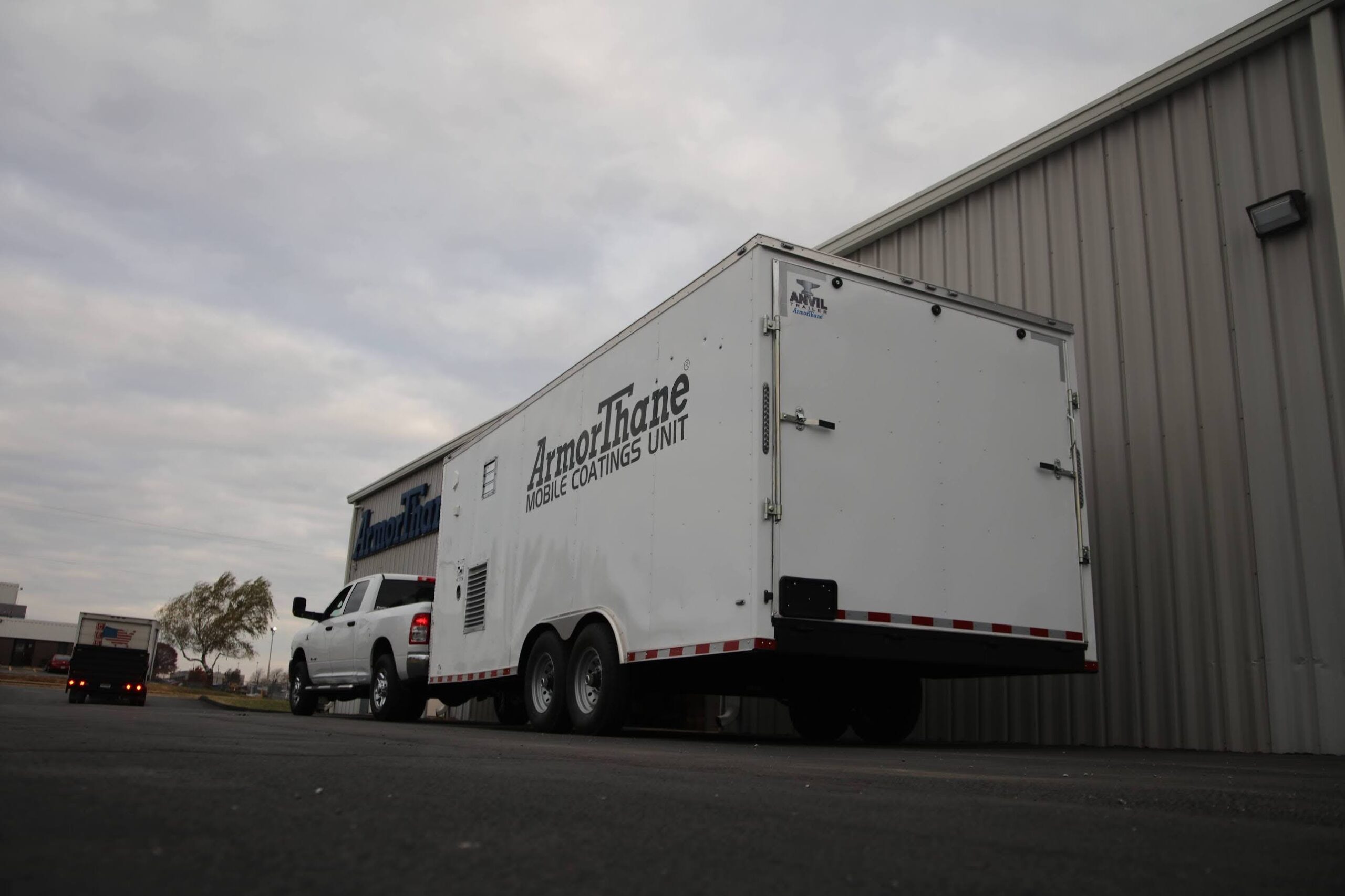
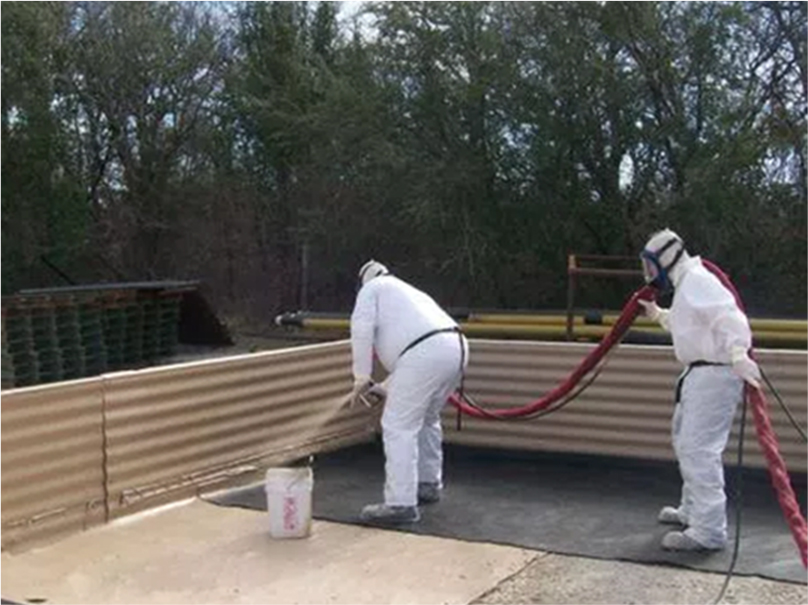
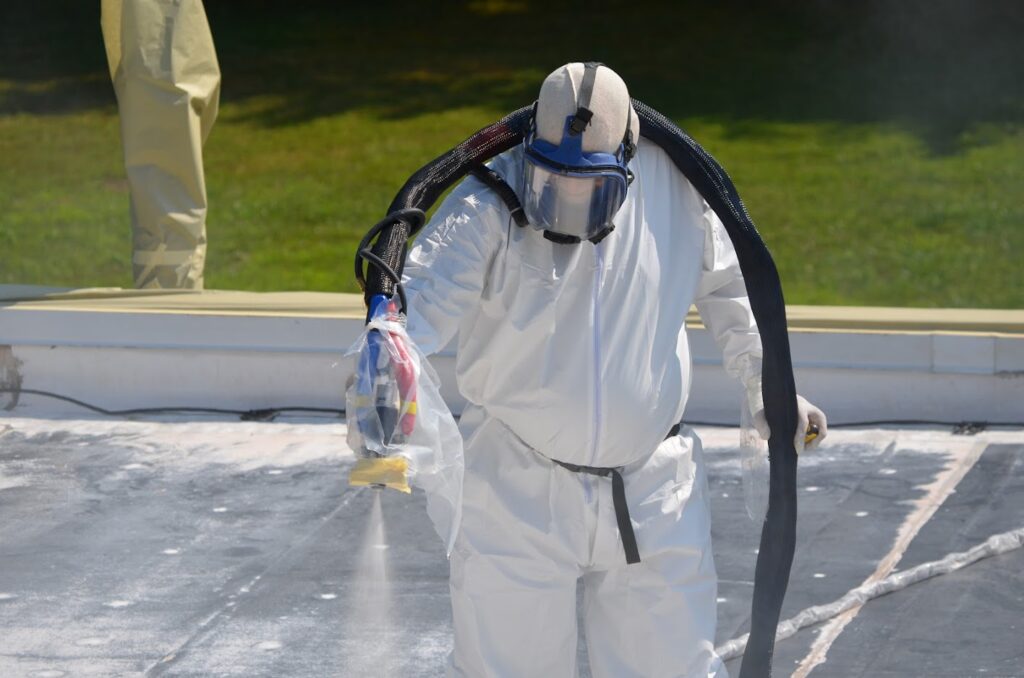

Mobile polyurea spray rig trailer parked outside a coatings facility

Polyurea reviews · comparisons · startup guides

Polyurea, reviewed in depth.

Coatings, spray rigs and real-world applications compared side by side — plus a clear path for anyone who wants to start spraying polyurea for a living.

What brings you here?

Free to ask. No obligation.

  • 45in-depth reviews & guides
  • 12application categories
  • 2020publishing since
  • 1989backed by ArmorThane, est.

Latest

Reviews & guides.

All reviews
Industrial

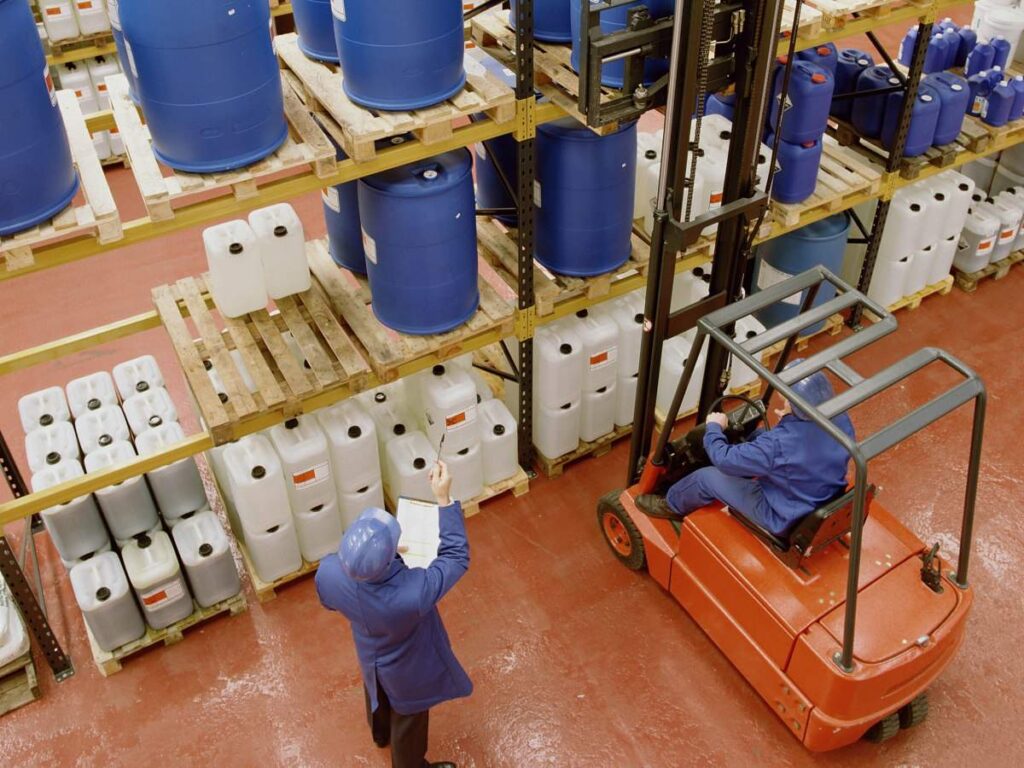
Polyurea and the Future of Dunnage Protection

The systems that keep cargo steady during transport rarely receive attention, yet their performance often determines whether goods arrive safely. Dunnage—those blocks,…

4 min readSep 29, 2025
DIY

Should I Apply Polyurea Coatings Myself?

Polyurea coatings are used in a wide variety of applications. They provide the ultimate protection that stands out in a broad selection…

3 min readMar 27, 2025

Side by side

Polyurea vs. the alternatives.

How sprayed polyurea stacks up against the coatings it usually competes with — and when the other option is the better buy.

Polyurea vs. Epoxy

Epoxy is cheap to apply and very chemical resistant, but it is rigid, slow to cure and yellows in sunlight. Polyurea wins wherever the surface moves, takes impact or has to be back in service the same day.

  • Choose Polyurea forTruck beds, slabs that crack, outdoor work, fast turnarounds
  • Choose Epoxy forIndoor decorative floors with long downtime allowed
Read the full review
PolyureaEpoxy

Return to service

5 2

Flexibility & crack bridging

5 1

Abrasion & impact

5 3

Cold & humid application

5 2

Chemical resistance

4 5

UV & color stability

3 1

Low equipment cost

1 5

Editorial ratings out of 5 for typical systems in each class. Formulations vary — always check the technical data sheet.

For new & growing applicators

Thinking about spraying polyurea for a living?

A single plural-component rig opens the door to bedliners, floors, roofs, containment and industrial work. Here is the short version of how people get started.

  1. 1
    Pick your first market

    Bedliners and garage floors are fast to learn and easy to sell. Containment and industrial work pay more but need experience and documentation.

  2. 2
    Spec the right rig

    Shop build or mobile trailer, single gun or two. Size the equipment to the work you will actually do in year one.

  3. 3
    Get trained

    Hands-on training on prep, spray technique, mix temperatures and safety is the fastest way to avoid callbacks.

  4. 4
    Source material & launch

    Line up a supplier with real technical support, set your pricing and book the first jobs.

See the full startup guide

Spray business estimator

Drag the sliders to match your market. Example numbers only.

Annual revenue$0
  • Materials
  • Labor & overhead
  • Kept
Kept per month
Equipment paid back in

A planning aid, not a forecast — real results depend on your market, pricing, crew and costs.

Applications

What polyurea gets sprayed on.

Talk to a specialist

Tell us what you’re planning.

  • Rig and equipment recommendations for your market
  • Material pricing and complete system advice
  • Training options and startup guidance
  • Help finding an applicator for your project

Takes about a minute. No obligation, no spam.

Step 1 of 3

What are you looking to do?
A few details

Where are you starting from?

What do you want to spray? Pick any

Equipment

When do you want to start?

What do you need? Pick any

Main applications Pick any

Expected volume

Timeline

What needs coating?

Approximate size

Timeline

Where should we send your answers?

By sending this you agree that Polyurea Reviews and ArmorThane USA may contact you about your request. We never sell your details.

FAQ

Polyurea questions, answered.

Still deciding?

What is polyurea?

Polyurea is a coating made by reacting an isocyanate with an amine-terminated resin blend. It is usually sprayed with heated, high-pressure plural-component equipment and sets in seconds into a tough, flexible, seamless membrane.

Is polyurea better than epoxy?

For most demanding jobs, yes. Polyurea is far more flexible, handles impact and abrasion better and returns to service in hours rather than days. Epoxy still makes sense for low-cost indoor floors where downtime is not a problem. Compare them side by side.

How fast does polyurea cure?

Pure polyurea typically gels in seconds and is tack-free within a minute or two. Most surfaces can take light use within hours. Exact times depend on the product, so always check the technical data sheet.

Can I apply polyurea myself?

Small repairs and hand-mix products are DIY-friendly, but professional spray polyurea needs heated plural-component equipment, training and proper respiratory protection. Read our DIY guide.

How do I start a polyurea spraying business?

Pick a first market, spec the right rig, get hands-on training and line up a reliable material supplier. See the full startup roadmap and run the numbers with our estimator.

Who runs Polyurea Reviews?

Polyurea Reviews publishes guides, comparisons and reviews about polyurea coatings, equipment and applications. The site is supported by ArmorThane USA, a polyurea manufacturer founded in 1989, and requests sent through our forms go to ArmorThane's team so a specialist can follow up.

Free, no obligation

Let’s get you started.

Step 1 of 3

What are you looking to do?
A few details

Where are you starting from?

What do you want to spray? Pick any

Equipment

When do you want to start?

What do you need? Pick any

Main applications Pick any

Expected volume

Timeline

What needs coating?

Approximate size

Timeline

Where should we send your answers?

By sending this you agree that Polyurea Reviews and ArmorThane USA may contact you about your request. We never sell your details.