Business & buying
Should You Start a Polyurea Business? Here’s What You Need to Know
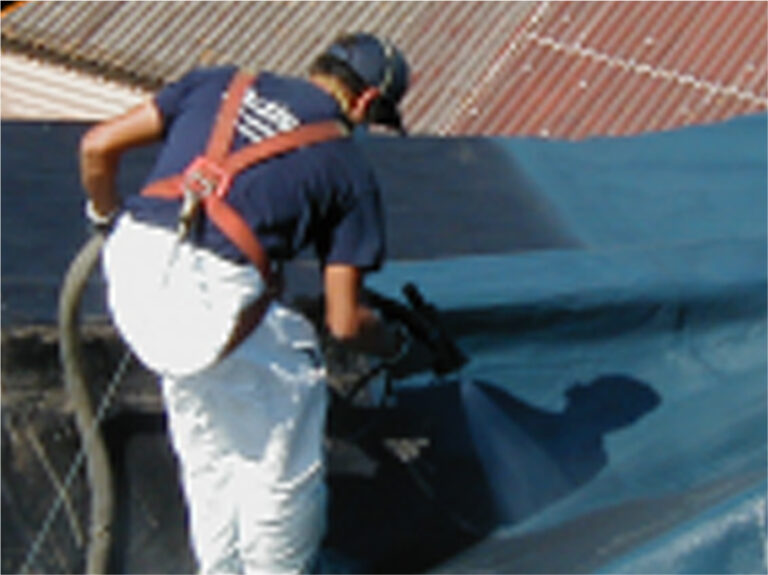
Polyurea is a type of protective coating that has become increasingly popular in recent years due to its durability, strength, and versatility.…
For new & growing applicators
Polyurea is one of the few coatings you can spray in the morning and hand back to the customer the same day. That speed, plus a market list that runs from truck beds to wastewater plants, is why so many contractors are adding a rig. Tell us where you are starting from and we will point you to the right equipment, training and material.
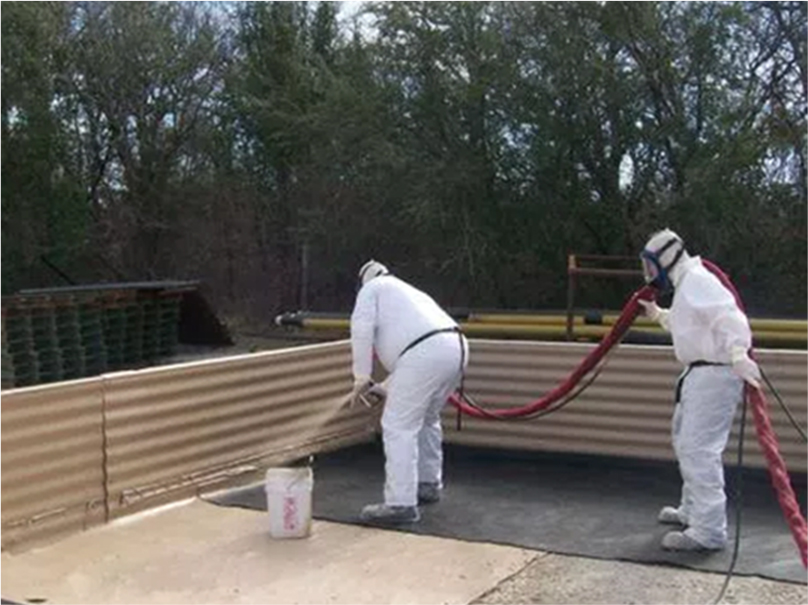
Polyurea gels in seconds and most jobs can take light traffic within hours, so one crew finishes more jobs in a week than it could with slow-cure coatings.
Bedliners, floors, roofs, containment, waterproofing, tanks and infrastructure all run off the same plural-component equipment.
High elongation and abrasion resistance mean you are selling a coating that shrugs off impact, flex and abuse — not just a new color.
Industrial, municipal and fleet customers tend to come back with the next tank, floor or truck once a coating has proven itself.
Roadmap
Bedliners and garage floors are fast to learn and easy to sell. Containment and industrial work pay more but need experience and documentation.
Shop build or mobile trailer, single gun or two. Size the equipment to the work you will actually do in year one.
Hands-on training on prep, spray technique, mix temperatures and safety is the fastest way to avoid callbacks.
Line up a supplier with real technical support, set your pricing and book the first jobs.
Spray business estimator
Drag the sliders to match your market. Example numbers only.
A planning aid, not a forecast — real results depend on your market, pricing, crew and costs.
Checklist
The core of every rig is the same. What changes is whether you build it into a shop or a self-contained trailer.
Heats and meters the A and B sides at the right ratio and pressure.
Keeps material at temperature all the way to the gun.
Mixes the two sides at the tip so nothing cures in the line.
Feed material from the drums and keep the resin side blended.
Clean, dry air for the gun and the pumps.
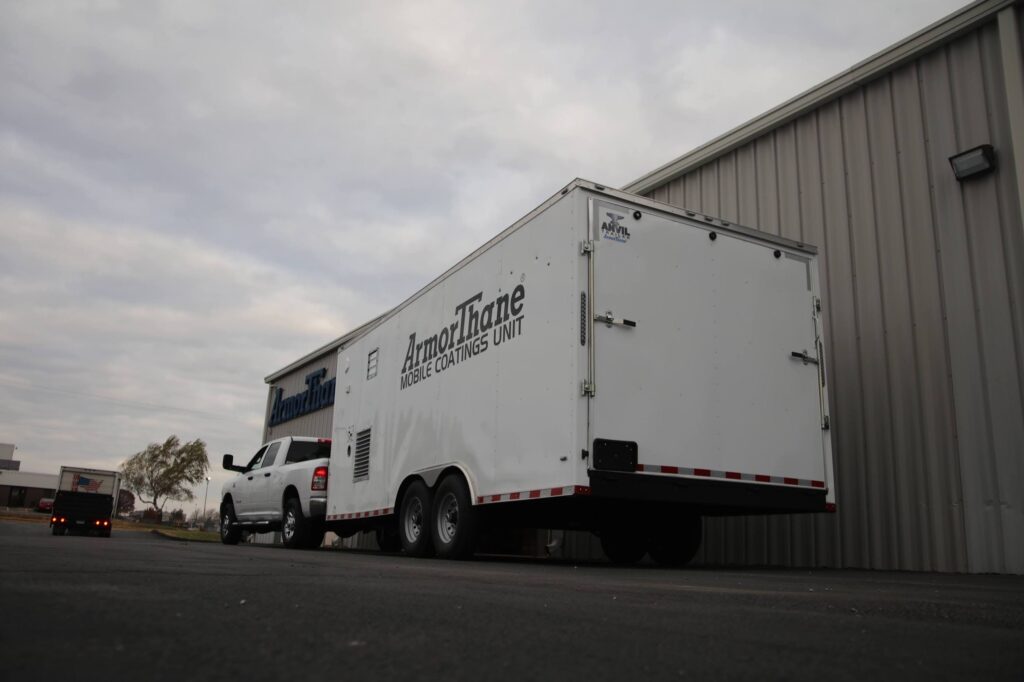
Lets you take the whole rig to the job site.
Isocyanate safety is not optional — protect your crew.
Grinders, blasters and moisture meters. Prep is most of the job.
Free & no obligation
Two quick questions, then your contact details. About a minute.
FAQ
Answers to what people ask us most about this.
Most of the cost is equipment. A heated plural-component proportioner, heated hose, spray gun, compressor and air dryer make up the core, and a self-contained mobile trailer adds a generator and enclosure. With training, starting inventory and insurance, most new applicators are looking at a five- to six-figure investment. Send us your plan and we will put real numbers to it.
No, but you do need training. Polyurea is unforgiving of poor surface prep and incorrect temperatures or pressures, so hands-on training on the equipment you will actually use is the fastest way to get good.
Truck bedliners and garage or shop floors are common starting points because jobs are quick and customers are everywhere. Containment, roofing and industrial work pay more per job but usually need more experience and paperwork.
Yes. Many bedliner businesses run a fixed shop rig. A mobile trailer makes sense when most of your work is on customer sites — roofs, floors, tanks and containment.
It can be, with the right controls. Isocyanate-based coatings call for supplied-air respiratory protection, ventilation, skin protection and training. Follow the SDS for every product you use.
Keep reading
Polyurea is a type of protective coating that has become increasingly popular in recent years due to its durability, strength, and versatility.…
Polyurea is a versatile and durable coating that has gained popularity in a wide range of industries, including automotive, construction, and manufacturing.…
Polyurea coatings are used in a wide variety of applications. They provide the ultimate protection that stands out in a broad selection…
Search